
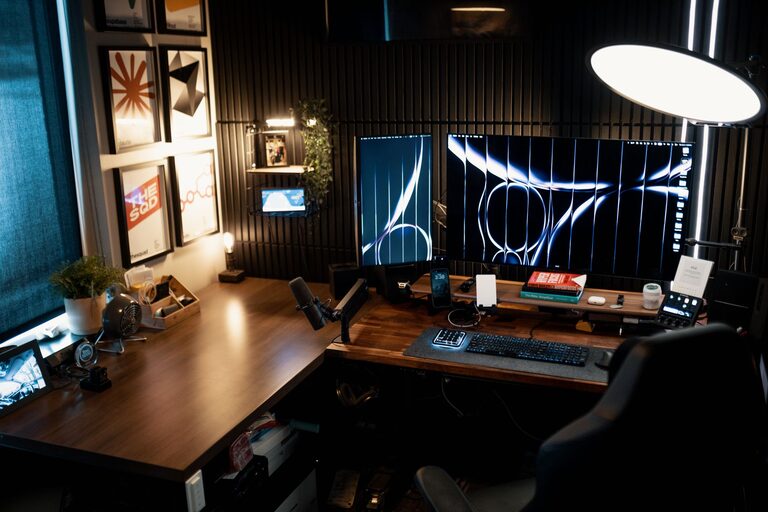
How to Create a Relaxing Home Workspace for Better Focus
Creating a relaxing home workspace is essential for maintaining focus, reducing stress, and boosting productivity when working from home. A well-designed workspace can help separate your professional and personal life, making it easier to concentrate and feel comfortable throughout the day. Whether you have a dedicated room or a small corner, there are plenty of ways to create a calming environment tailored to your needs.
Why a Relaxing Workspace Matters
The home workspace isn’t just a place to work; it influences your mood, efficiency, and overall well-being. Clutter, poor lighting, and uncomfortable furniture can lead to distractions, fatigue, and even physical discomfort. By designing a space that promotes relaxation and focus, you create an environment that supports your daily tasks and nurtures your mental health.
Choose the Right Location
Find a Quiet Spot
Start by selecting a location that minimizes noise and interruptions. If possible, avoid high-traffic areas like the kitchen or living room. A spare bedroom, a nook, or even a section of your bedroom can work if arranged thoughtfully. Consider noise-cancelling headphones or white noise machines if external sounds are unavoidable.
Natural Light is Key
Natural light helps regulate your body clock and boosts mood. Position your desk near a window to take advantage of daylight, but avoid glare on your screen by angling your monitor or using curtains and blinds. If natural light is limited, invest in full-spectrum or daylight bulbs to mimic natural light indoors.
Invest in Comfortable Furniture
Ergonomic Chair and Desk
Comfortable seating is vital. Choose an ergonomic chair that supports your back and encourages good posture. Your desk height should allow your elbows to rest comfortably at a 90-degree angle when typing. Adjustable desks that allow standing and sitting are great for movement throughout the day.
Add Personal Touches
Incorporate elements that make the space inviting, like a soft rug, cozy throw pillows, or a comfortable footrest. These small comforts can improve how you feel while working.
Organize for Clarity and Calm
Declutter Regularly
Keep only the essentials on your desk to avoid feeling overwhelmed. Use drawers, shelves, or storage boxes to tuck away papers, chargers, and office supplies. A tidy space helps keep your mind clear.
Use Smart Storage Solutions
Vertical shelves, wall organizers, and drawer dividers can maximize small spaces. Label containers for easy access and maintain order. Consider filing systems for important documents to avoid piles on your desk.
Incorporate Calming Elements
Use Soothing Colors
Colors influence mood. Soft tones like blues, greens, and neutrals tend to promote calmness. You can paint your walls or use accessories and artwork in these hues to create a peaceful vibe.
Add Plants
Indoor plants improve air quality and add a touch of nature. Even small succulents or air plants can make a difference. They have also been shown to reduce stress and increase concentration.
Personalize Mindfully
Decorate with items that inspire you but avoid clutter. Family photos, motivational quotes, or artwork can boost your mood without distracting from work.
Lighting and Sound
Layer Your Lighting
Combining ambient, task, and accent lighting helps create a balanced environment. Desk lamps with adjustable brightness are useful for focused work. Warm lighting in the evening can help signal the end of the workday.
Control Noise
Apart from choosing a quiet space, background music or nature sounds can enhance relaxation. Use apps or devices to play gentle tunes or ambient sounds according to your preference.
Establish Boundaries
Create a Routine
Having a consistent start and end time helps separate work from home life. Setting up your workspace as a dedicated work zone signals your brain when it’s time to focus and when it’s time to relax.
Limit Non-Work Items
Avoid using your workspace for leisure activities like watching TV or gaming. This keeps your area mentally associated with productivity and relaxation.
Maintain Your Workspace
Clean Daily
Spend a few minutes at the end of each day tidying your area. Wiping down surfaces and sorting papers prevents buildup of clutter and keeps your space fresh.
Refresh Periodically
Every so often, reassess your workspace to see if it still meets your needs. Rearranging furniture, adding new plants, or updating decor can reinvigorate your motivation.
—
By thoughtfully designing and maintaining your home workspace, you create a relaxing environment that supports your work and well-being. Small changes can add up to a big difference in how you feel and perform each day. Start with these tips and tailor your space to what makes you most comfortable and focused.
